

Slow Seasons: Summer
A slow story, a guide, and an invitation to reflect.

👋 In case the full email gets truncated in your inbox, be sure to check it out on a web browser.

A year ago, almost to the date, my father left the United States.
He’d talked about expat communities for years, but his departure had always been framed as a potential. Within a matter of months, it was more complicated than that. When all was said and done, he claimed the move offered a better quality of life both financially and emotionally. It was monumental and monumentally frustrating, marking another exit following his most recent move to Florida—with preceding stretches in New Mexico, New York, Texas, and California. I lived with him in most of those places, and though it wasn’t his fault, I witnessed a turmoil that’s never seemed to wane.
More recently, I found it difficult for us to connect in the same way since the onset of the pandemic: In that time, I’d closed a business we’d worked on together and began navigating what would become a years-long mental health battle in New York. My father continued helping my grandmother—Sharon—take care of her land in New Mexico while tending to his own emotional wounds from the turbulent period that brought him there.
By the time all of us were in the same room together, our dynamic had noticeably shifted. I was still in the depths of my anxiety, and Sharon was getting ready to sell her property after living there for over two decades—the only place that felt like a home base for all of us. Soon after, she and my father would move to opposite sides of the country: Sharon back to Oakland (where she’d raised him and my aunt) and my father to Fort Walton Beach with the hopes of starting anew by the water. The latter didn’t go according to plan. The world was also moving in a darker direction, and my father could only do so much about it.
···
Last May, my husband John and I flew out to Oakland for what my father jokingly began referring to as “his farewell tour.” A familiar anxiety bloomed in my chest as I realized I’d already begun grieving something I couldn’t quite name. It didn’t help that yet another year had passed since I’d seen my father in person. How could I say that I didn’t know how to talk to him without challenging his decision? That I was worried about some of the recent remarks he’d made about loneliness? That he was also getting older, and settling in a new place—without speaking the language—could pose its own set of challenges? That I wish he’d learn how to settle down without mistaking it for settling for less? He seemingly read my mind.
“Are you mad at me?” he asked.
“A little,” I admitted. “Mostly at the state of the world—another goodbye.”
My father considered his words carefully. “I know our family has a history of leaving, but that’s just life, Rach. This just makes the most sense for where I am right now. I don’t feel good about a lot of things, but I feel good about this, and I want to give it a shot. I’m still relatively young—a senior-lite!”
Yes and no, I thought. His tendency to use humor as a defense mechanism held less weight than in previous years, but I still wanted to try to see things through his eyes: Perhaps it was more about running towards a chapter that was his to define just as much as leaving a place he no longer recognized (understandably). Later, sitting together in Sharon’s colorful rocking chairs, we continued discussing his upcoming journey and how things might change for her, too.
Sharon’s vigor made it easy for us to forget her age. Save for her diminishing hearing, she was as vibrant and creative as ever, talking eagerly about her art and what she expected for the rest of her life, especially now that her only son would be so far away.
“It came to me in the night,” Sharon said, pointing to a large painting she’d recently finished. This one was different from her usual abstracted figures: The canvas was filled with large text that read “I AM PISSED,” and on the back, in simple black paint, “AND I AM AFRAID.” (She takes these paintings out to protest along the main boulevard near her apartment, recounting how many honks she receives from passing cars, which we always assume—hope—are made in solidarity.)
It was a timely statement unrelated to my father’s move, but one we could all agree with. The painting pushed our conversation into more nuanced territory: emergency contacts, paperwork, funeral wishes—end-of-life planning. “I’m not having anything else done medically, even if I need it,” she said with a stoic expression.
“We’ll see, Mom,” my father interjected. “I may be going down south, but I can get here in forty-eight hours, if need be. And anyway, you’re still sharp as ever. I think you’re going to live well into your nineties.” He nodded to himself, and I recognized an inkling of childhood in his mannerisms—a son grappling with a different kind of farewell. Sharon leaned over and patted his hand.
We eventually broke off into separate conversations, my father and John joking about something I didn’t catch. Instead of joining in, I turned to Sharon and asked what I felt only she and I could handle at that moment.
“Do you feel ready to die?”
“Yes,” she said without blinking. “I see it as a friendly thing, and you know, my world is so small now.” We’d long established the kind of relationship where big questions were seen as expansive rather than intrusive. The same goes for comfortable silence. After a beat, she nodded toward my father again and smiled. “That’s why I’m just so happy he’s going to do this. I’ll miss him, but it’s an adventure—his adventure.”
···
As high summer heat waves blanket the country, my father is enjoying his first winter in South America. Mild temperatures and rainy days are often where our video calls begin, but small talk only emphasizes the big question marks still hanging over our heads. I try to understand my father’s choices just as he tries to reach the daughter he knew before certain life experiences recalibrated her foundation. In some ways, this tension keeps us at a distance just as much as geography.
While we find ourselves at the opposite ends of the world, I keep Sharon’s words close: It’s his adventure—but I’m still searching for something: a sign I’m on the right path, the spirit I inherited from my father which, in some ways, has been lost to time and circumstance. Then again, I’m always looking for something in the summer. I credit this to school vacations as a kid; that liminal space between what we just learned and who we’d become next. I’ve felt that again in recent years: That I’m—we’re—always on the precipice of something life-altering.
For the most part, though, life has resumed its “normal” rhythms. Sharon continues to paint. She reads voraciously and writes to me about her secrets. My father continues his Spanish lessons. He sends photos of his travels to other cities, one of which is close enough to walk across the border into Argentina. In their own ways—however limited, or hurt, or exhausted—they’ve each made it a point to take up space in this imperfect world. In this season of life, I’m trying to do the same.
This November, ever the warrior, Sharon will turn the big 9-0. My father will fly up, and John and I will join a few days later (she has no idea!). It will be our first holiday season together in seven years. We’ll embrace, and then we’ll remember, because that’s all we can do. I’m sure we’ll talk about this story, and if we don’t, one of us will say something else that leads me to commit the moment to paper.
Over time, I’ve learned this is my only way of truly letting go. Over time, they’ve learned that, while I may be the quietest one in the room, this is my way of answering their calls.
But in case they miss it in the chaos of jokes and laughter we’ll soon share beyond a screen, I want my family to know they are the summer of my life—even when it’s storming. That’s where this piece began when I first attempted to write it last year: as a storm, in a fury. Yet this season marks a turning point. Summer is filled with every feeling imaginable and, in my case, gestures toward movement: a searching mind and heart, sentences sent across the airwaves, slow steps back to the people who are both the furthest from and closest to me.
SLOWLY ENJOY SUMMER
For me, summer has mostly become about listening, which makes it an ideal season for reflection. With that in mind, I wanted to share the prompt page that follows my essay “Summer” in Slowing.

A SEASONAL SYLLABUS
Environment plays a huge role in what and how I read. But location aside, let me feel the sweat on a character’s skin, taste the words on the tip of a narrator’s tongue, hear the sound of wind and reckoning.
Given the season’s sensorial abundance, I’ve curated summer-inspired/adjacent books (including some of my favorite reads and those on my TBR) that pay homage to all we experience—and discover—during these languid months.


Honorable Mention

“Summer brings the memory of summer, a gentle flight backward. It’s the season when a person can feel their wingspan again.” - Nina MacLaughlin
SUMMER STROLLS
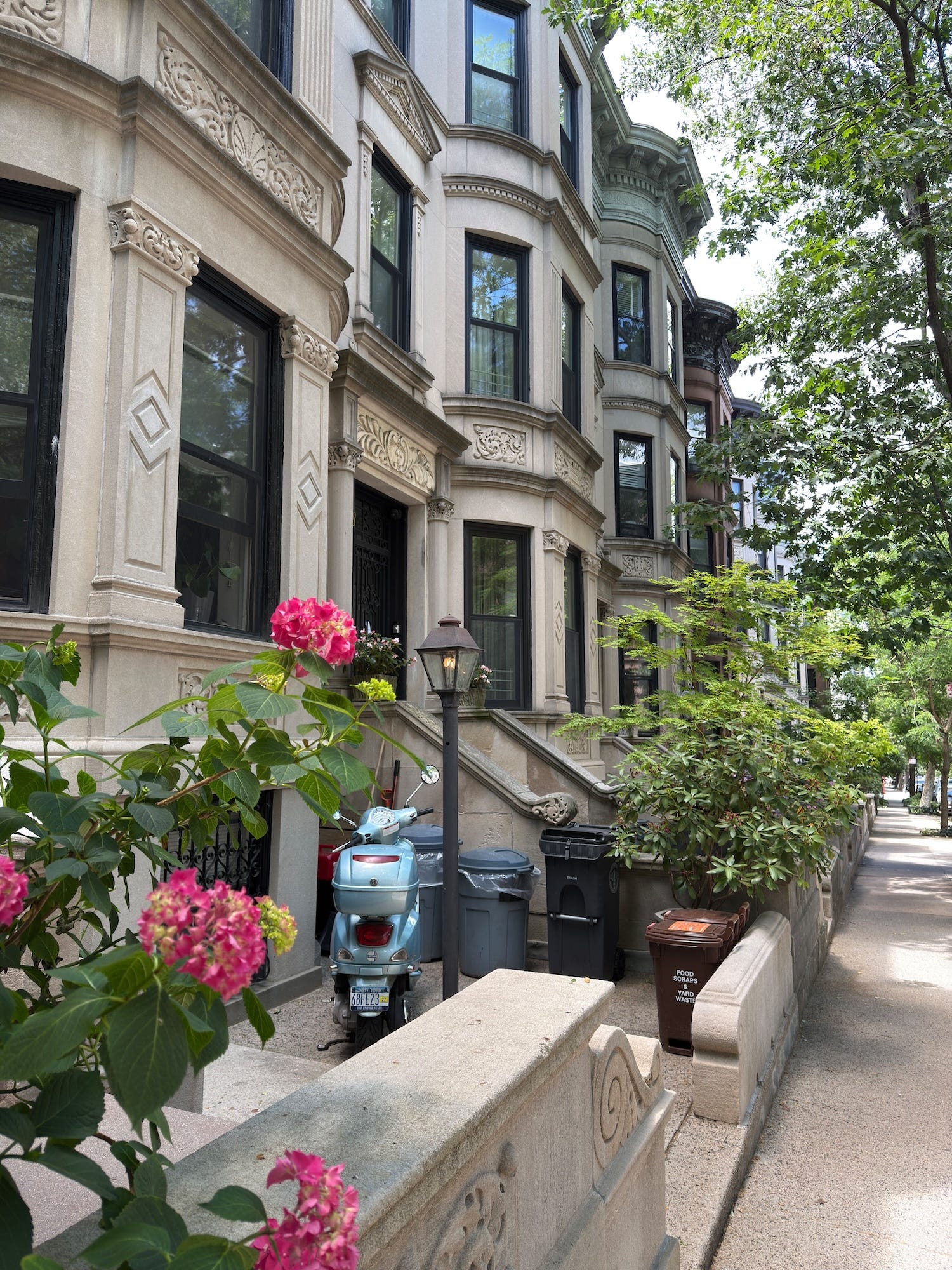
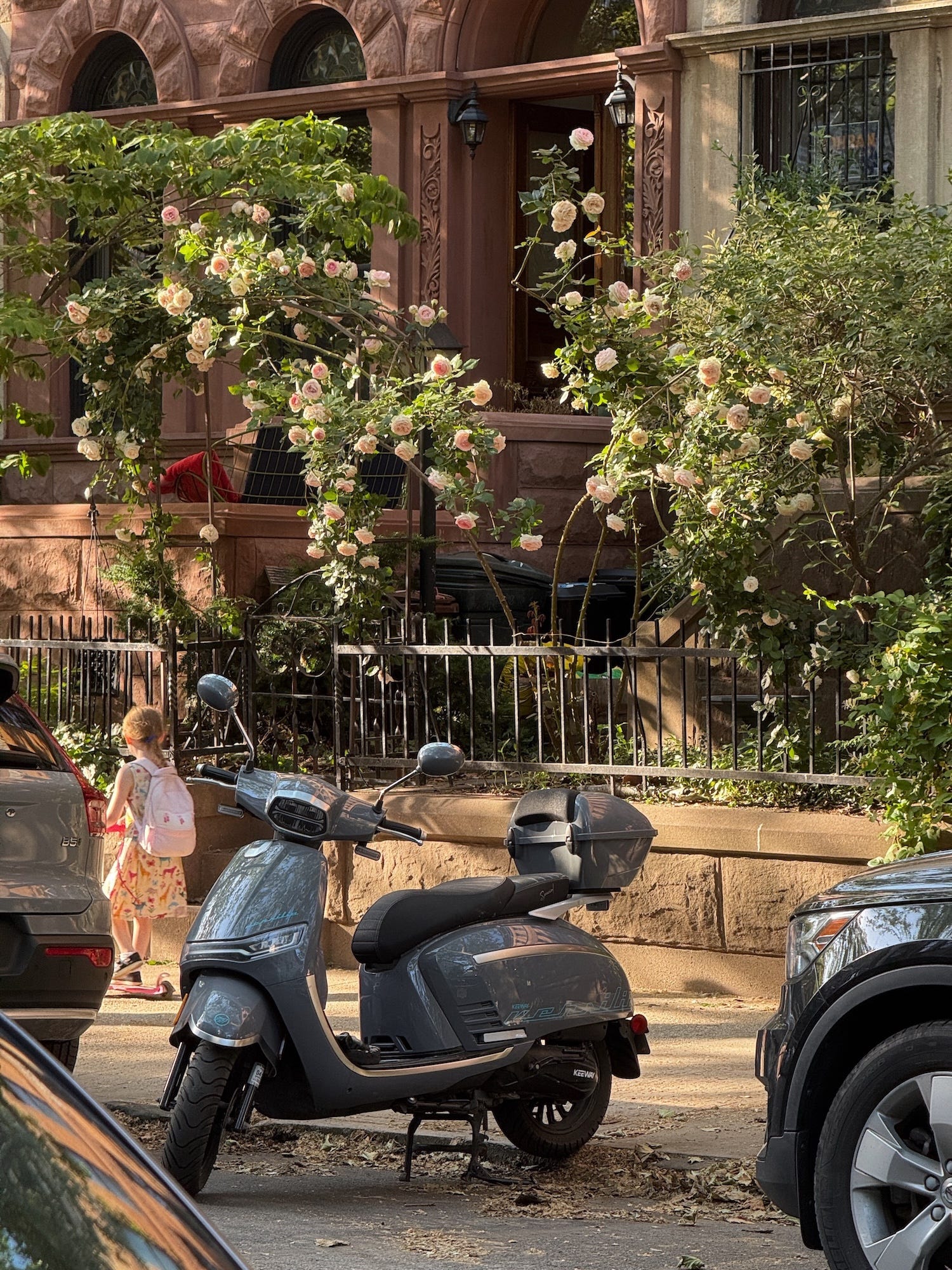
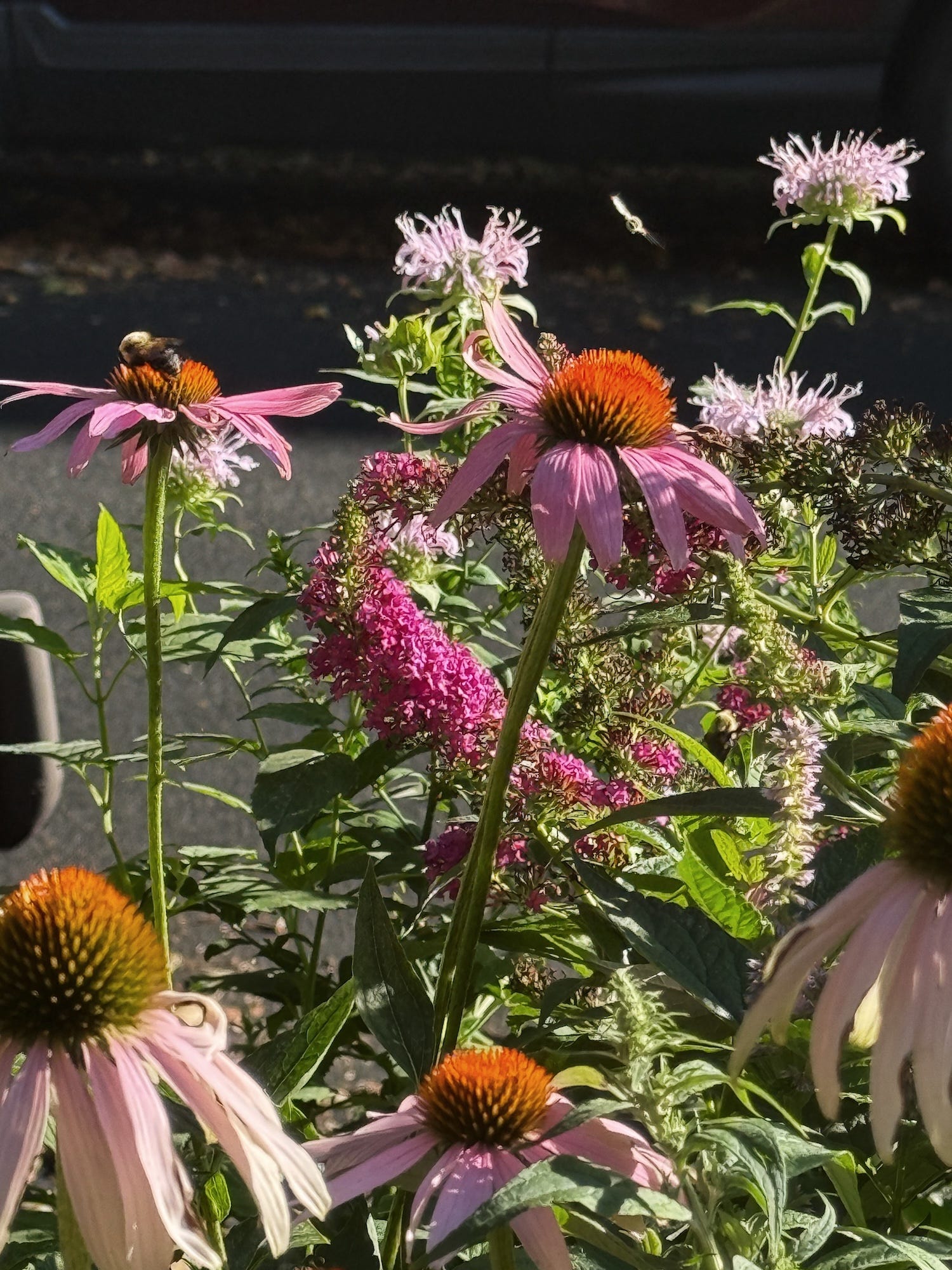
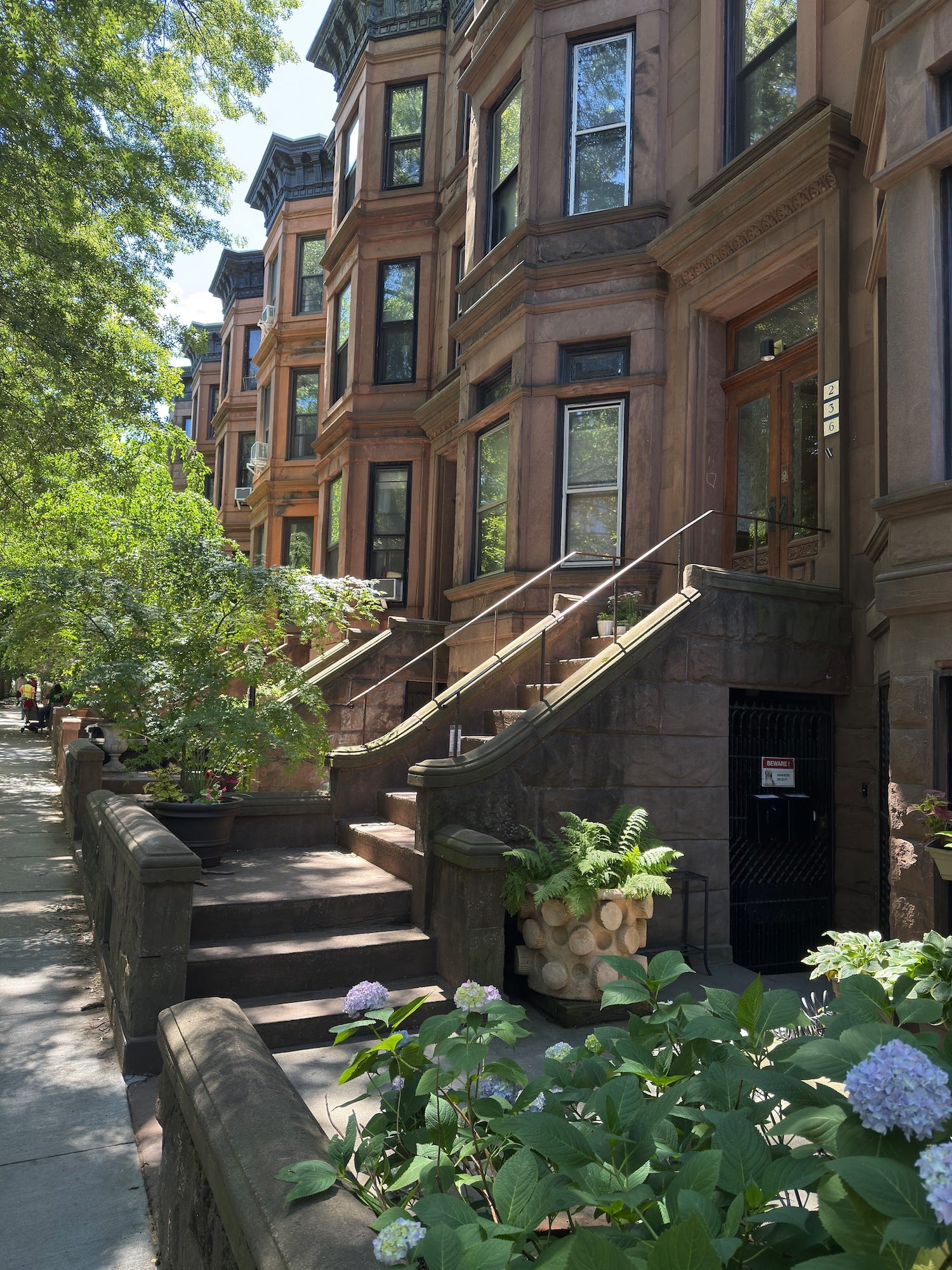
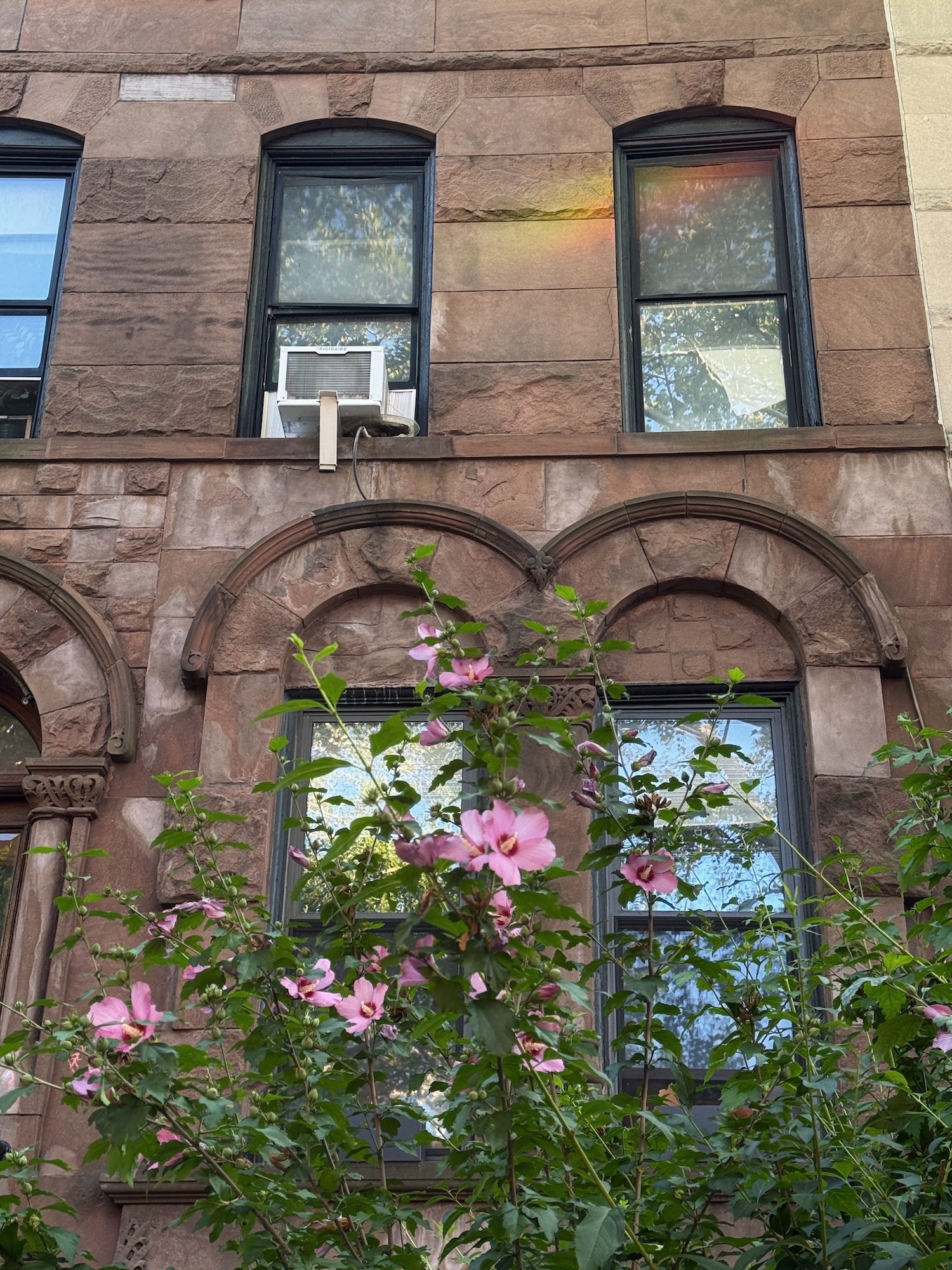
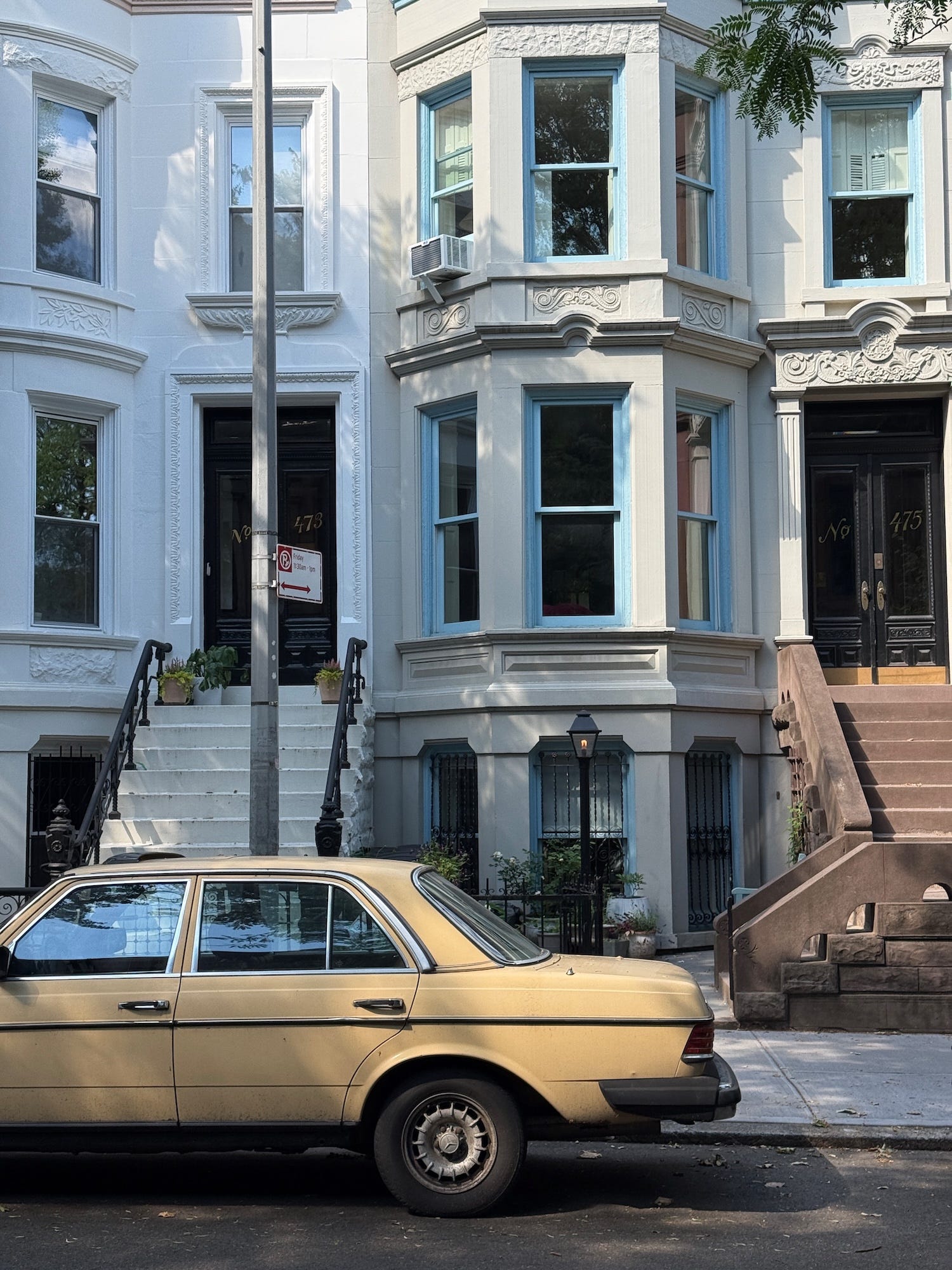
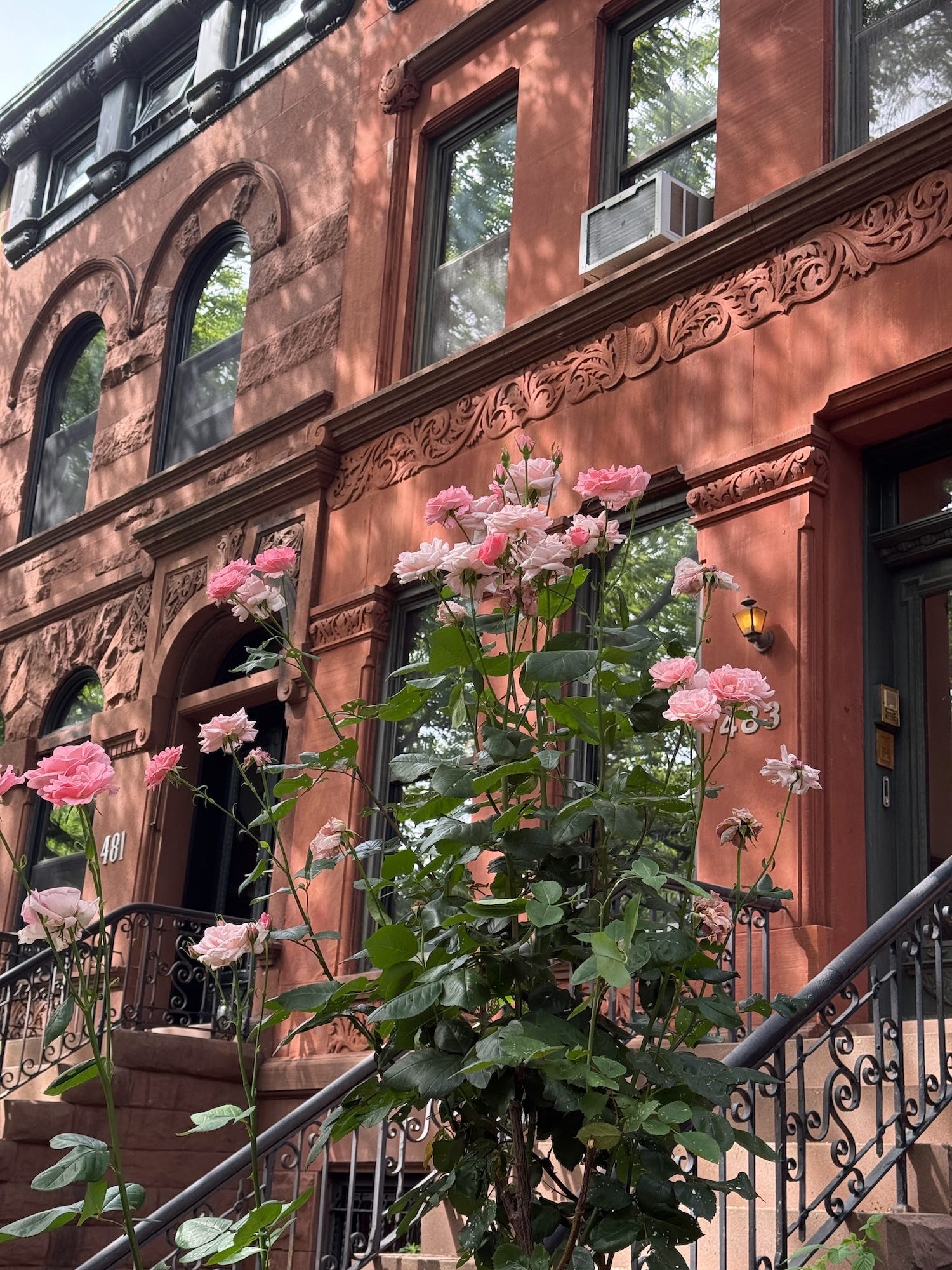
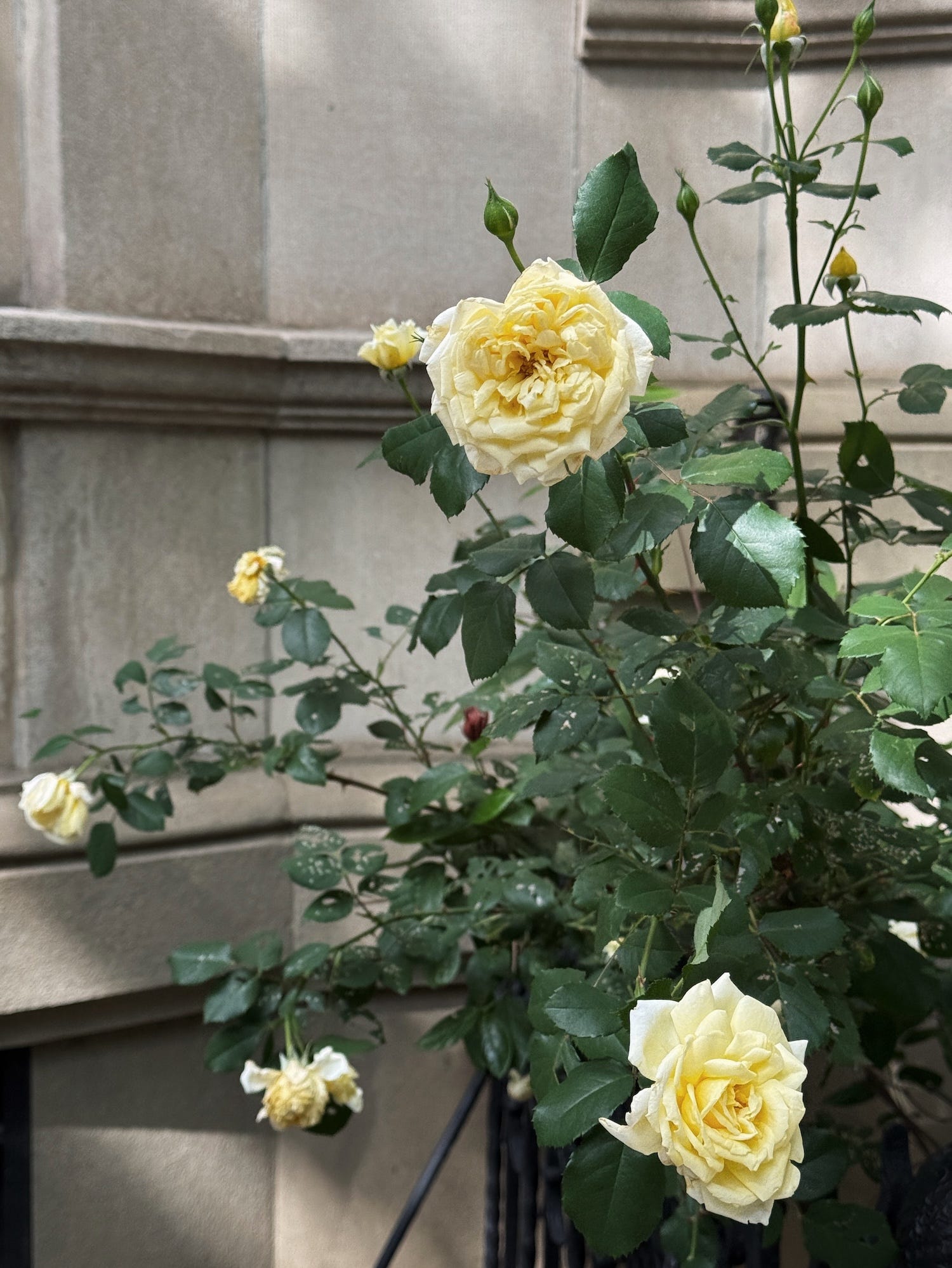
A look at what I’ve captured—and what’s been capturing my attention—this season.
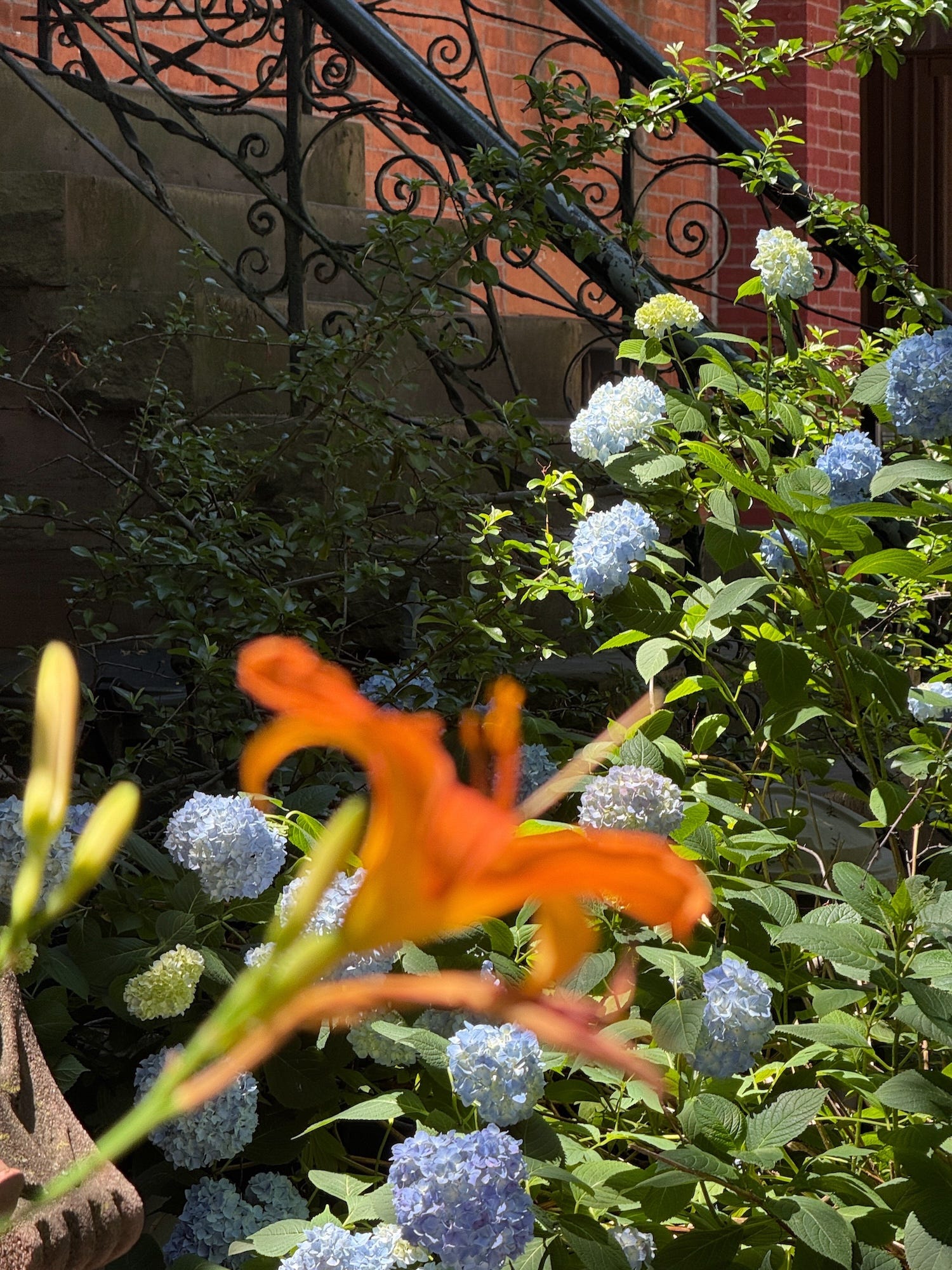
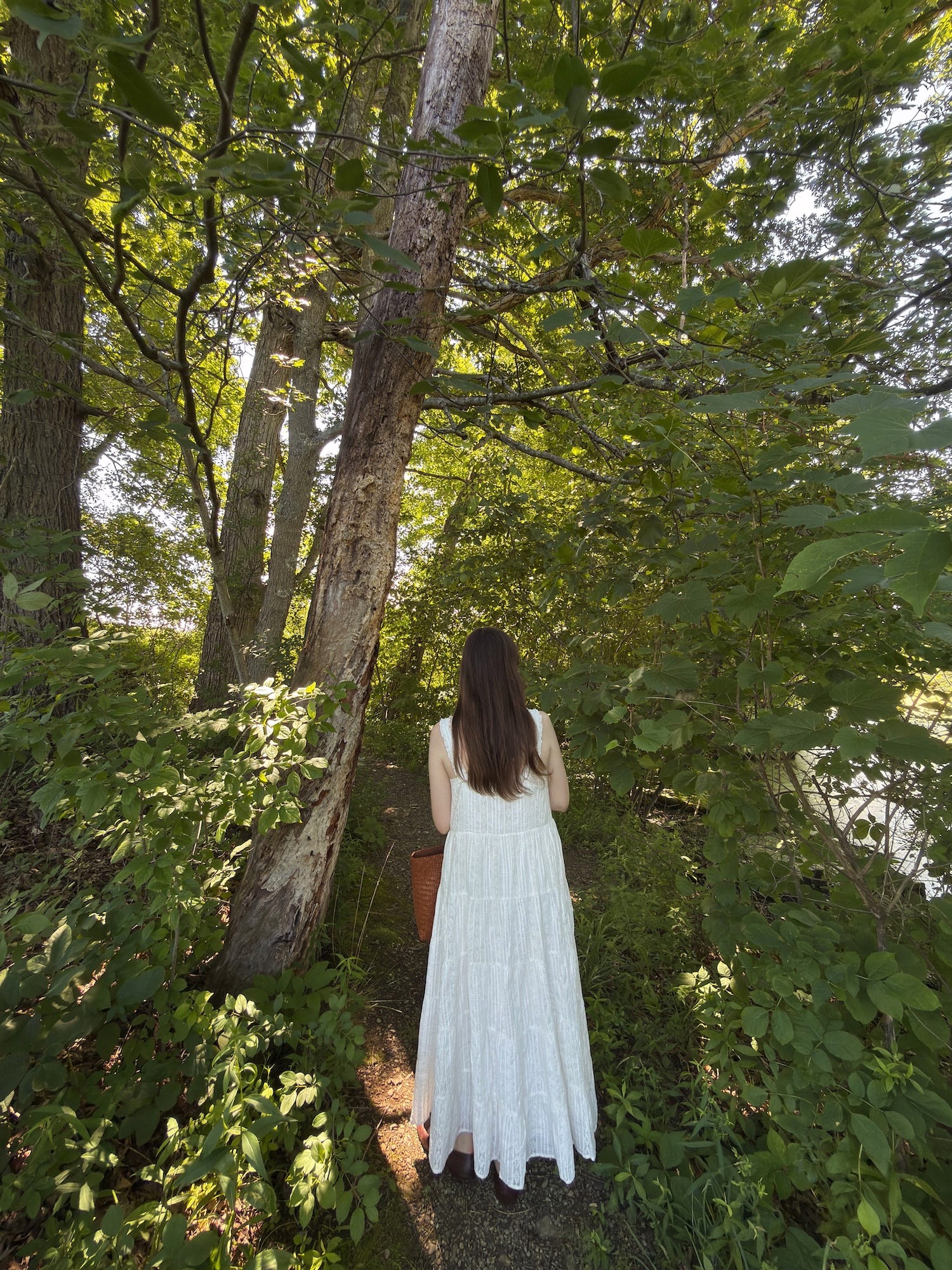
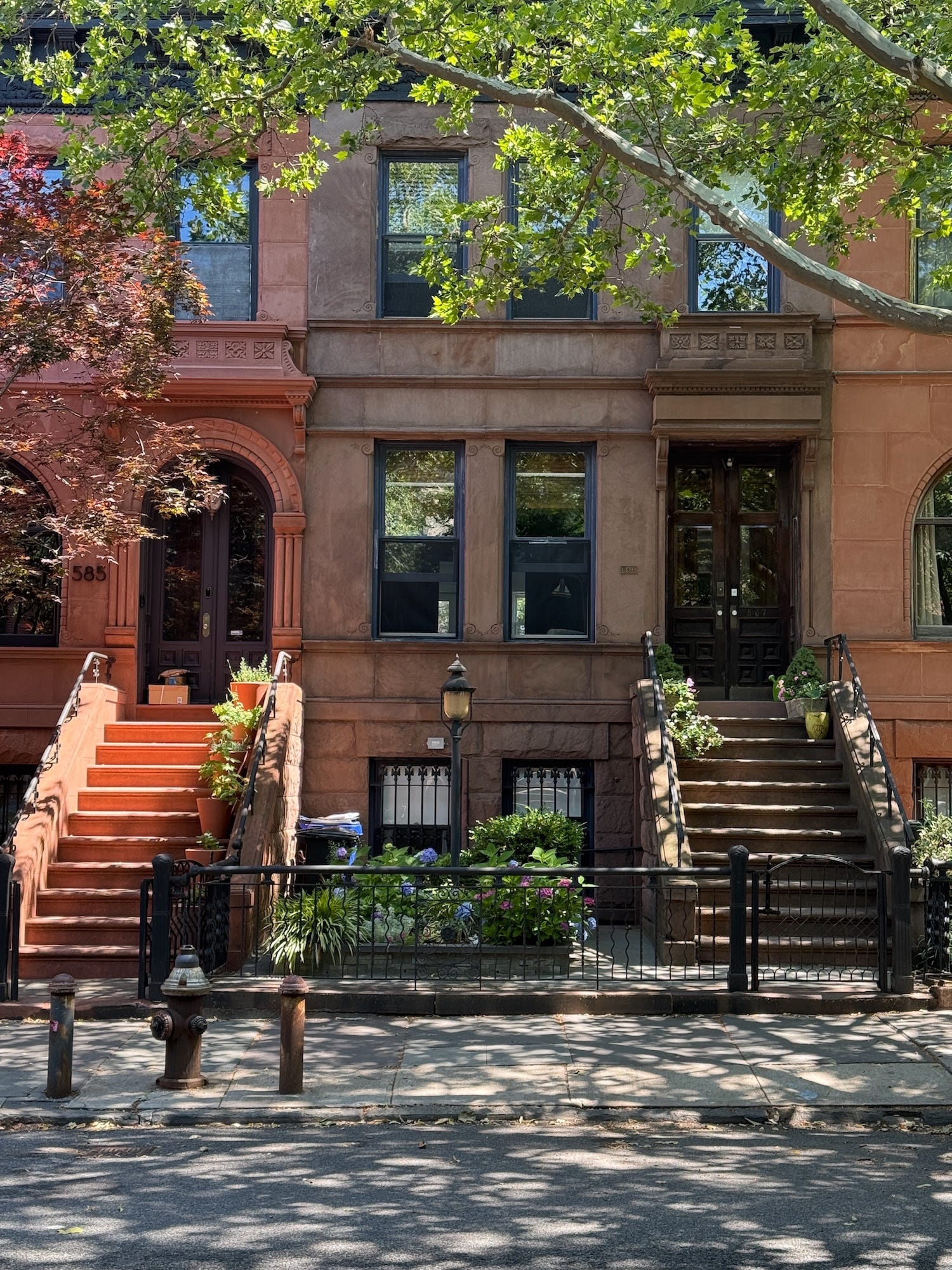
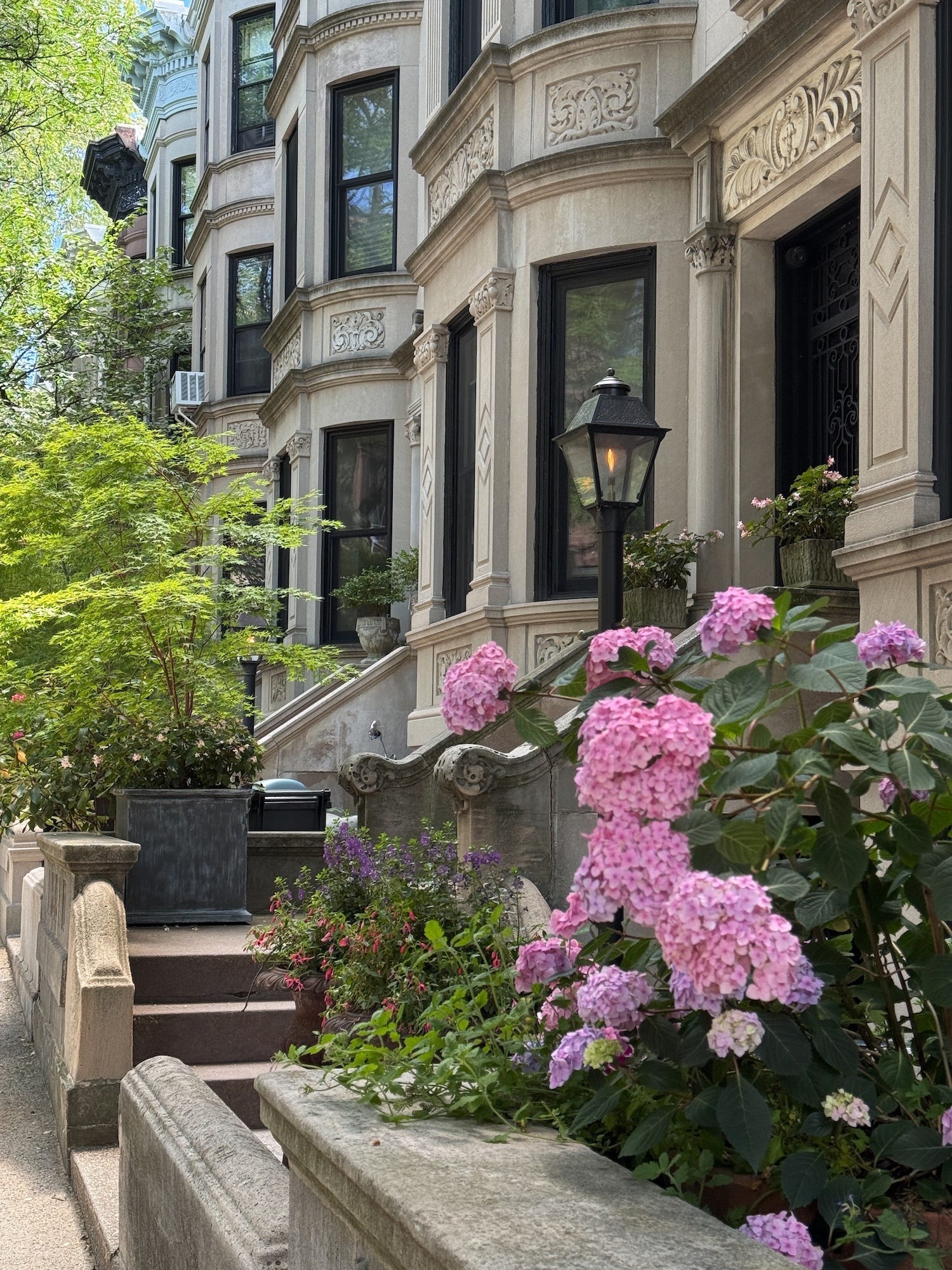
SUMMER STYLE DIARY
For years, I resigned myself to the fact that I’ll probably never feel one hundred percent during the hotter months—in both life and style. But I’ve recently found a new appreciation for summer dressing: simple sets, breathable fabrics, and dresses I can layer with once fall rolls around. Here’s a look at where I’ve landed so far. You can follow my style updates in real-time on Instagram (and shop some of these looks on ShopMy).


For Your Next Chapter
If you enjoyed this slow story, here are a few others that might slow your scroll…
Slow Seasons: Spring

Spring reanimates and it also revives. It’s a season of newness, but moreover, it’s a season that extracts what we’ve buried deep inside.
Slow Seasons: Winter

Winter becomes an intimate companion. A period of both learning and unlearning. A process of recognition—and reckoning.
Beautiful post. And it confirms that the gorgeous, dignified older woman I pass every day with the I AM PISSED sign is indeed your grandmother. I'll have to pull over and say hi :)
i loved that your grandmother answered the biggest question in the piece with the fewest words... everyone else kept trying to make peace with the future... she'd already decided to befriend it... that contrast lingered with me